- UK E-Invoicing Mandate 2029
UK E-Invoicing is Coming.
Is Your Business Ready?

Key Capabilities for Modern e-Invoicing
e-Invoicing Readiness Assessment
Evaluate how prepared your organisation is for electronic invoicing with a detailed analysis of existing accounting systems, workflows, and compliance requirements.
System Integration
Connect accounting platforms, ERP systems, and business applications to enable seamless digital invoice data exchange and automated financial workflows.
Invoice Data Automation
Reduce manual processing by automating invoice creation, validation, and data transfer between financial systems to improve efficiency and reduce operational errors.
Compliance Preparation
Prepare your organisation for evolving electronic invoicing regulations with guidance on standards, processes, and system readiness for upcoming regulatory changes.
Workflow Optimisation
Improve efficiency by redesigning invoicing workflows to reduce manual tasks, minimise errors, and accelerate processing times across your financial operations.
Reporting & Insights
Gain better visibility into invoicing operations with improved financial data management and reporting capabilities for smarter business decisions.
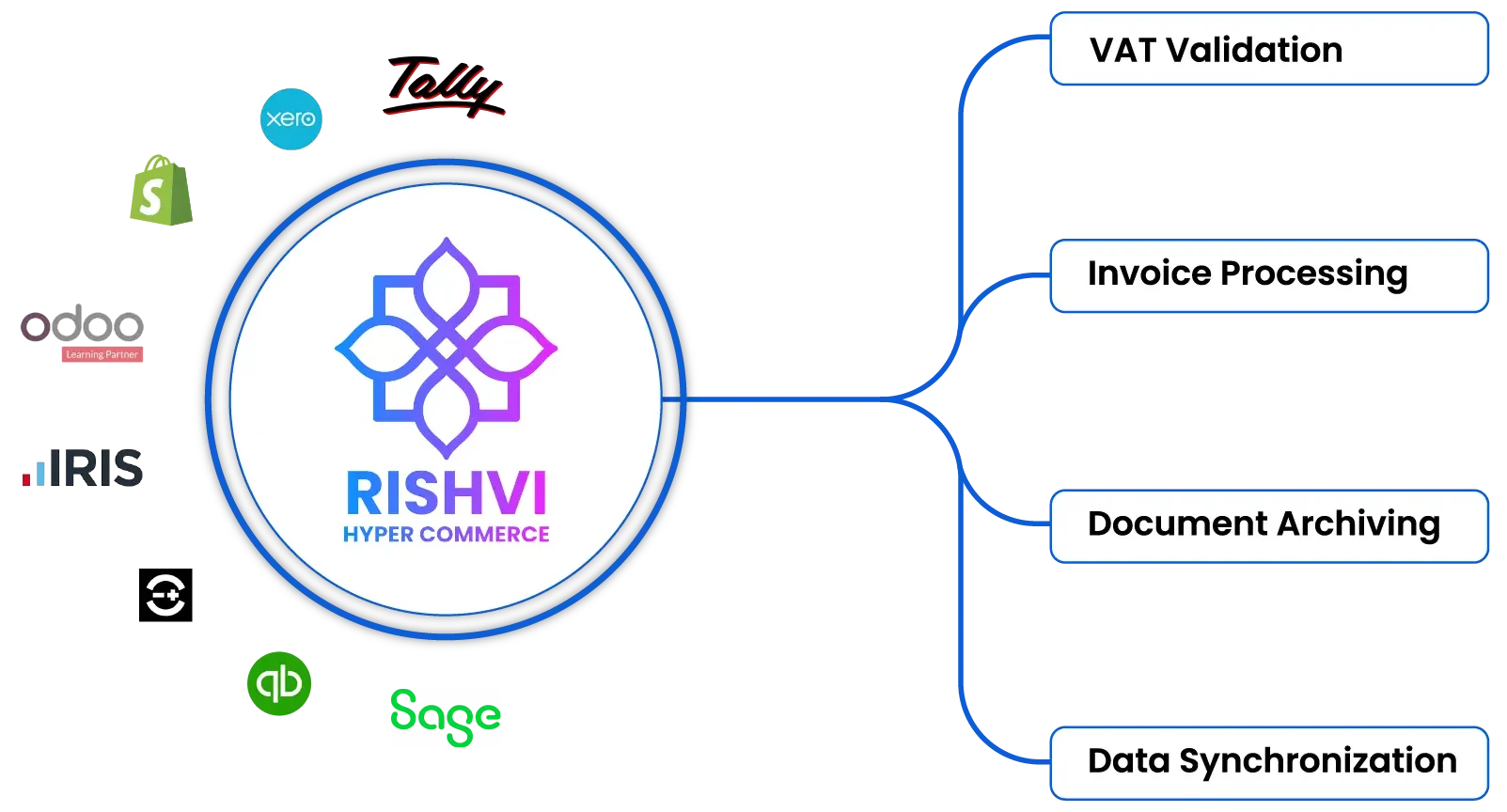
Supporting Businesses in the Transition to UK e-Invoicing
Why Businesses Are Moving to Electronic Invoicing
UK e-Invoicing Implementation Timeline
Government Consultation and Industry Feedback
Government consultation begins to explore the adoption of electronic invoicing across UK businesses. Authorities gather industry feedback to design a modern digital invoicing framework.
Policy Framework and Technical Roadmap
Policy framework and technical standards are expected to be defined. This phase focuses on building the infrastructure and interoperability models for electronic invoice exchange systems and networks.
Business Preparation and System Readiness
Businesses begin preparing their financial systems for electronic invoicing. Organisations upgrade accounting software, automate workflows, and improve digital compliance readiness.
Mandatory Electronic Invoicing Implementation
Electronic invoicing becomes mandatory for VAT-related transactions in the UK. Businesses must issue and receive structured invoices through compliant digital systems to meet regulatory requirements.
Why Choose Rishvi
UK e-Invoicing Expertise
Understanding of UK digital tax initiatives and evolving electronic invoicing requirements.
SME-Focused Approach
Solutions designed for small and medium-sized businesses without complex infrastructure.
Reliable Integrations
Experience integrating ERP and accounting platforms with modern digital workflows.
Future-Ready Strategy
Helping businesses prepare early for upcoming electronic invoicing requirements.
Our Services
UK e-Invoicing Consultation
Expert guidance to help businesses understand upcoming UK e-invoicing regulations and prepare for compliance.
ERP & Accounting Integration
Integration support for systems like Xero, QuickBooks, Sage, and Odoo to enable structured electronic invoicing.
E-Invoicing Implementation
End-to-end assistance to implement electronic invoicing workflows within existing accounting and ERP systems.
Compliance Readiness Assessment
Evaluate your current invoicing process and identify the changes required to meet future UK digital invoicing standards.
Workflow Automation
Automate invoice creation, validation, and exchange processes to reduce manual work and improve efficiency.
Advisory & Support
Ongoing support to help businesses adapt to evolving digital tax requirements and invoicing standards.
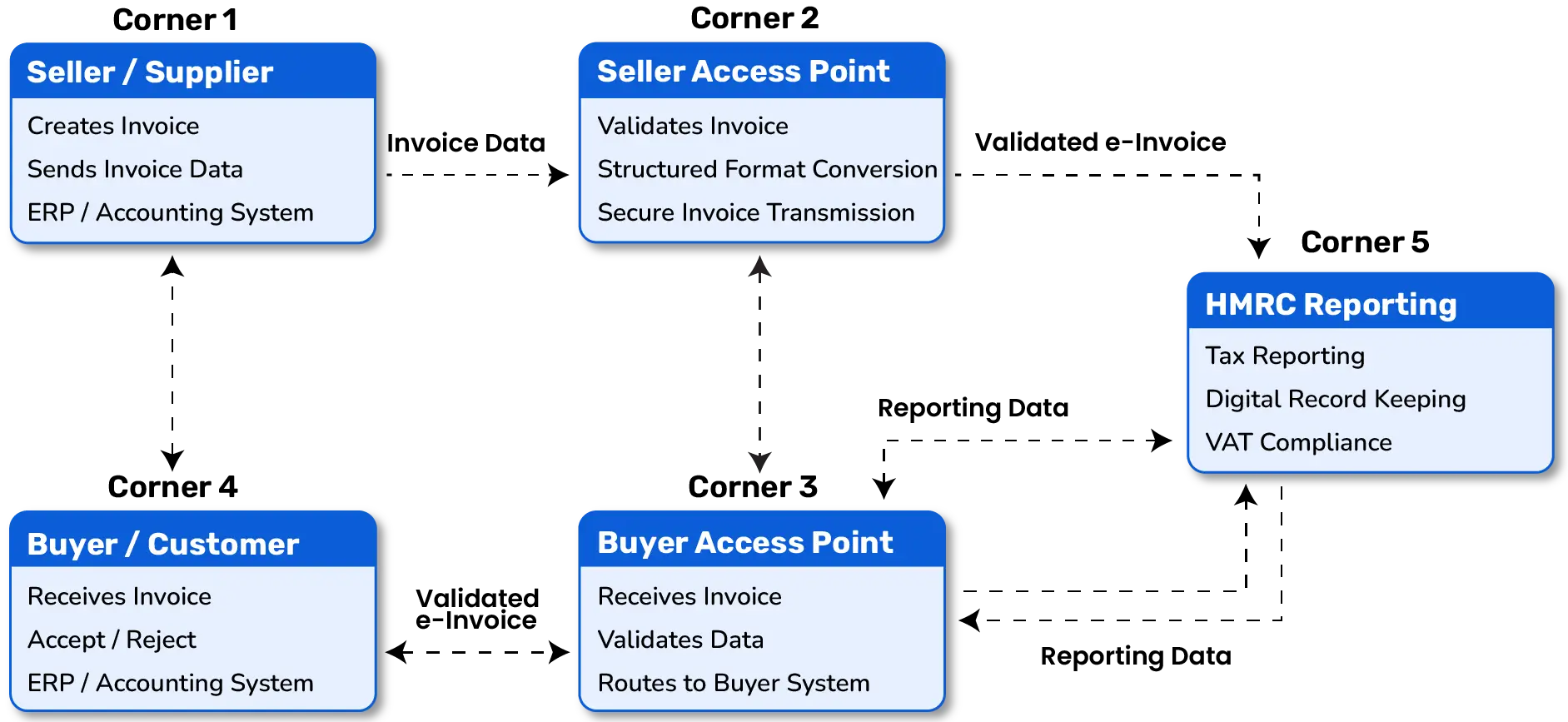
How UK e-Invoicing Works
Frequently Asked Questions
1. What is electronic invoicing?
2. Is e-invoicing mandatory in the UK?
3. What is the difference between a PDF invoice and an e-invoice?
4. Do small businesses need to adopt e-invoicing?
5. Can e-invoicing work with my existing accounting software?
6. What are the benefits of electronic invoicing?
- Reducing manual invoice processing
- Minimising errors in financial data
- Accelerating invoice approvals and payments
- Improving financial visibility and reporting
7. How can businesses prepare for UK e-invoicing?
8. How can Rishvi help businesses prepare for e-invoicing?

Connecting Businesses Through Digital Invoicing
Automated Invoice Workflows
Reduce manual processing by automating invoice creation, validation, and data transfer between systems.
Digital Compliance Readiness
Prepare financial systems for evolving electronic invoicing frameworks and digital tax requirements.
Scalable Digital Infrastructure
Build invoicing processes that can adapt to future regulatory changes and digital transformation initiatives.
Start Preparing Your Business for UK E-Invoicing Today
Enterprise-Level Security & Compliance

Latest Insights & Updates
How UK E-Invoicing Will Work: Peppol, Access Points and System-to-System Exchange Explained
The UK government has confirmed that mandatory e-invoicing will be introduced for VAT-registered businesses from 1
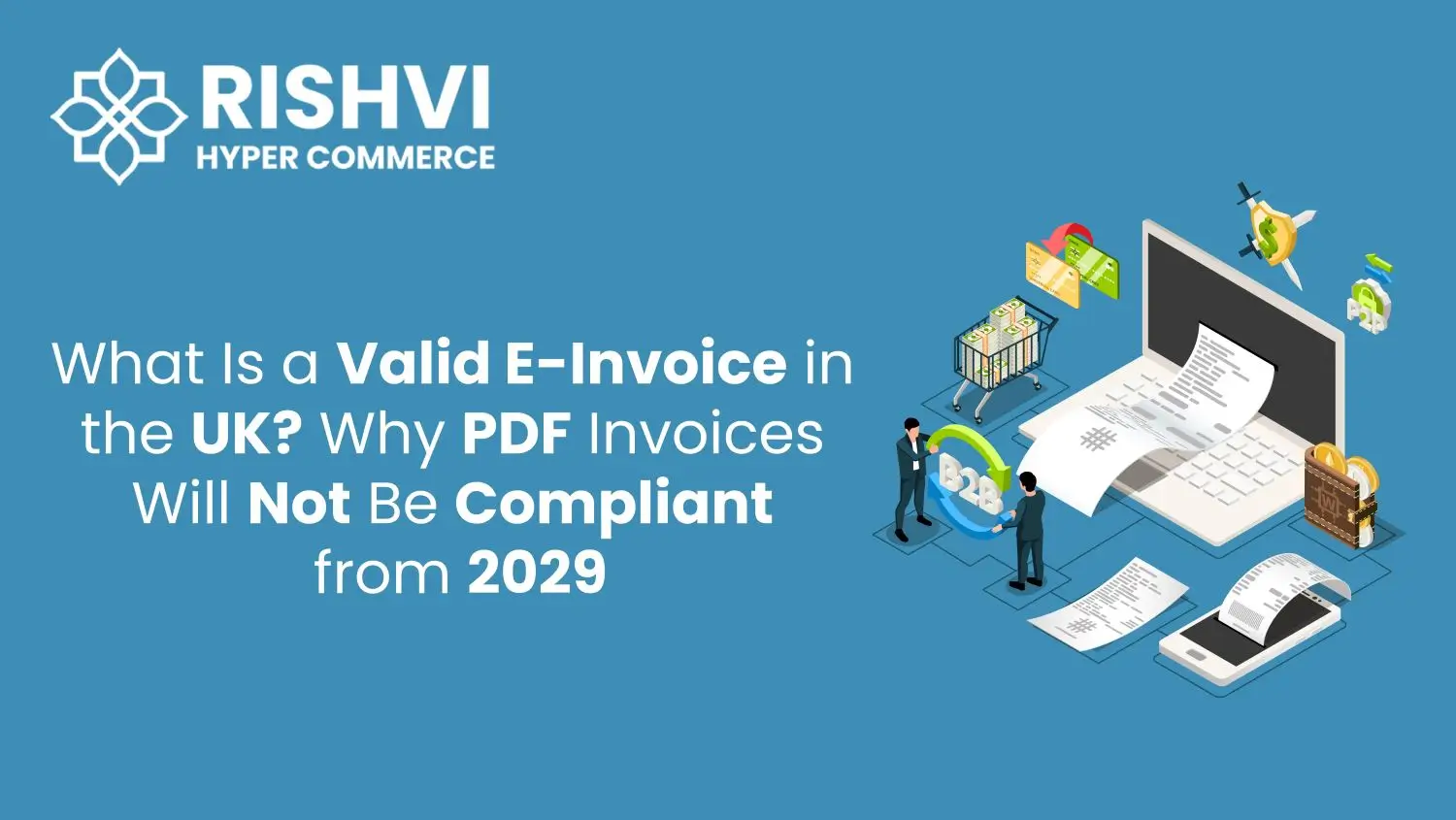
What Is a Valid E-Invoice in the UK? Why PDF Invoices Will Not Be Compliant from 2029
Following the Autumn Budget 2025 announcement, the UK government confirmed that mandatory e-invoicing will apply
UK E-Invoicing Becomes Mandatory from April 2029: What VAT-Registered Businesses Must Know
The UK government has confirmed in the Autumn Budget 2025 that electronic invoicing (e-invoicing) will become mandatory